

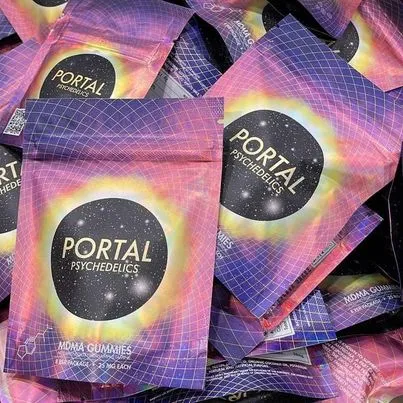
MDMA gummies refer to edible, candy-like products that are infused with MDMA, a synthetic psychoactive substance commonly associated with feelings of euphoria, emotional openness, heightened sensory perception, and increased energy. These gummies are designed to look similar to regular gummy candies, which can make them appealing but also potentially misleading, especially for people who are unaware of their contents.
MDMA itself is often known by street names such as ecstasy or molly. Traditionally, it has been found in tablet or crystal form, but in recent years, alternative formats such as gummies, gels, and blotter-style products have emerged. These new forms are often marketed as more convenient or more enjoyable, but they also raise important concerns regarding dosage control, safety, and unintentional consumption.
How MDMA Gummies Differ From Other Forms
Unlike tablets or capsules, MDMA gummies are consumed as an edible. This means the substance must pass through the digestive system before entering the bloodstream. Because of this, the onset of effects may be delayed compared to other forms. This delay can sometimes lead individuals to mistakenly consume more than intended, believing the initial dose was ineffective.
In contrast, some substances placed under the tongue or absorbed through the mouth may act more quickly. However, regardless of the method, the unpredictability of potency remains a major concern. Gummies, in particular, may not distribute the active substance evenly, which can result in inconsistent effects from one piece to another.
Dosage Uncertainty and Market Practices
Many suppliers who produce molly gummies or gel-based products claim that they use dosage ranges similar to those found in traditional tablets or blotters. This is often because standard dose ranges are already considered sufficient for most users. From a production standpoint, it is simpler to maintain an established range rather than creating stronger individual pieces. Those seeking more intense effects may simply consume multiple units, which introduces additional risk.
The lack of regulation in illicit markets means there is no reliable way to confirm the actual contents of MDMA gummies. Some products may contain higher or lower amounts than advertised, while others may include entirely different substances. This uncertainty significantly increases the potential for adverse reactions.
Psychological and Physical Effects
MDMA is known for its ability to intensify sensory experiences. Users often report that music feels more immersive, social interactions feel more meaningful, and emotions are heightened. These effects are part of the reason MDMA gummies and similar products are sometimes associated with music festivals or large social events.
However, these effects can also come with negative consequences. Potential short-term effects include dehydration, overheating, increased heart rate, anxiety, and confusion. Longer-term or repeated use may impact mental health, memory, and emotional regulation. The edible form does not reduce these risks and may, in some cases, make them harder to manage due to delayed onset.
Social Experiences and Personal Accounts
Some individuals describe positive personal experiences associated with MDMA gummies, particularly in social or musical environments. For example, people may report that music feels more vivid or that they feel more connected to the atmosphere around them. While such accounts are common, they are subjective and vary widely from person to person.
It is important to understand that positive anecdotes do not guarantee safety or predict outcomes for others. Individual reactions depend on many factors, including body chemistry, environment, mental state, and the unknown composition of the product itself.
Health Implications and Early Detection
From a medical perspective, awareness of MDMA use—including gummy forms—is important for early detection and intervention. Clinicians who recognize patterns of use can better assess an individual’s overall substance exposure and related risks. This information helps healthcare providers design personalized treatment or recovery plans when necessary.
Early detection can also prevent complications related to overuse, interactions with other substances, or underlying health conditions. Because gummies may appear harmless or resemble regular candy, the risk of accidental or unintentional use is higher, especially among younger individuals.
Safety and Awareness Considerations
One of the most significant concerns surrounding MDMA gummies is how easily they can be mistaken for non-drug products. This increases the risk of accidental ingestion and makes harm reduction more challenging. Additionally, the appealing appearance may reduce perceived risk, even though the potential effects remain serious.
Education and awareness play a crucial role in reducing harm. Understanding what MDMA gummies are, how they differ from other forms, and why they can be risky helps individuals make more informed decisions and recognize warning signs in themselves or others.
Final Thoughts
MDMA gummies are part of a broader trend toward alternative drug formats that prioritize appearance and convenience. While they may be associated with enhanced sensory experiences in certain settings, they also come with significant uncertainties and health risks. Their edible form does not make them safer, and in many cases, it adds layers of unpredictability.
Recognizing the meaning, effects, and implications of MDMA gummies is essential for promoting informed conversations, medical awareness, and public health. Knowledge remains the most effective tool for minimizing harm and supporting early intervention when needed.

